Full of flavor, spices come mostly from tropical lands. Herbs grow in more moderate climates. They may even grow in your own backyard or window box. Spices and herbs add two important ingredients to your meals: taste and aroma. They make food taste great and smell wonderful. They can also make your meals look more appealing.
What’s the difference between herbs and spices?
-
Herbs are the leaves of plants. They are used either fresh or dried.
-
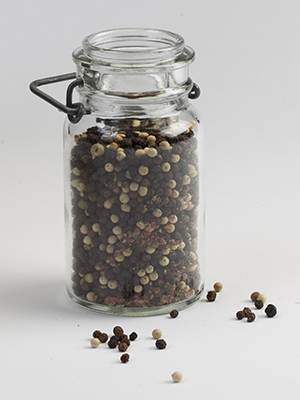
Spices are the aromatic buds, fruits, berries, roots, or bark of plants. They are usually dried.
-
One plant may produce both an herb and a spice. For example, coriander seeds are a spice used in curries and chili powder. The leaves of the same plant are an herb called cilantro.
-
Dried herbs have a stronger taste than fresh herbs, so you need less of them. A general rule is to use just 1 part dried herbs for every 3 parts fresh herbs needed.
-
When cooking with herbs and spices, taste and adjust the seasonings as you go. It’s better to use less than to overdo it. And you can always add more flavor later.
Storing dried herbs and spices
-
Store dried herbs and spices in airtight containers.
-
Keep them in a cool, dry place away from light and heat.
-
Don't keep dried herbs and spices for more than a few years.
Add the flair of seasonings to your food
When you start cooking with herbs and spices, you may be amazed at what you’ve been missing. They have many benefits over salt. Spices and herbs can be used alone. Or they can be combined for an almost endless amount of flavors. But salt is just one seasoning. Herbs and spices add wonderful aroma and taste to your food. They also add the freshest flavors possible.
Online Medical Reviewer: Diane Horowitz MD
Online Medical Reviewer: Donna Freeborn PhD CNM FNP
Online Medical Reviewer: Raymond Kent Turley BSN MSN RN
Date Last Reviewed: 04/01/2025
© 2000-2026 The StayWell Company, LLC. All rights reserved. This information is not intended as a substitute for professional medical care. Always follow your healthcare professional's instructions.