Interstitial lung disease is a group of conditions with inflammation and scarring around the tiny air sacs (alveoli)of the lungs. The changes make it hard to take in oxygen. Often, the cause is unknown. This is called idiopathic pulmonary fibrosis. Breathing in certain substances, such as asbestos, can also cause fibrosis of the lungs. Some medicines and radiation treatments can also cause interstitial lung disease.
When you have interstitial lung disease, you're more likely to get lung infections. Do what you can to prevent infections. And get treatment right away at the first sign of illness.
Prevent infection
-
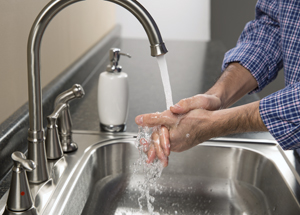
Practice correct hand washing. Wash hands often. This includes before and after eating, after coughing, sneezing, or blowing your nose, when you are in public places, and after using the bathroom.
-
Use soap and clean, running water. Scrub your hands for at least 20 seconds.
-
Scrub all over your hands, under your nails, and between your fingers.
-
If soap and water are not available, use a hand sanitizer with at least 60% alcohol in it.
-
-
Don't touch your face and mouth with your hands.
-
Use disposable tissues instead of a handkerchief. Throw away used tissues. Wash your hands after.
-
Stay away from people who have a cold or the flu.
-
Try to stay away from crowded places.
-
Don't smoke or let people smoke in your home or car.
Get vaccinated
Vaccines help prevent lung infections and complications. Talk with your healthcare provider about what vaccines are right for you and when you should get them. These may include:
-
Influenza (flu) vaccine
-
Pneumococcal pneumonia vaccine
-
COVID-19 vaccine
Take care of your body
-
Drink plenty of water to keep yourself hydrated.
-
Eat well-balanced, nutritious meals.
-
Don't drink alcohol.
-
Don't smoke. Stay away from places where people are smoking.
-
Stay away from irritants. Try to stay away from chemicals, fumes, and dust in your home and the workplace. Stay indoors on smoggy days. Reduce your exposure to outdoor pollution.
-
Don’t be afraid to be active. Being active may make you short of breath. But it's good for your lungs. Exercise can strengthen the muscles that help you breathe. Ask your healthcare provider about safe exercises for you. Walking is often a good choice.
-
Get regular check-ups. See your provider even when you are feeling well.
-
Get enough rest. Sleep at least 8 hours each night. Rest or nap during the day as needed.
When to call your healthcare provider
If you start to get sick, call your healthcare provider right away. Symptoms to watch for include:
-
Increased shortness of breath with normal activities
-
A fever of
100.4 ° F (38 °C ) or higher, or as directed by your healthcare provider -
Shaking or chills
-
Increased coughing or coughing up dark or bloody mucus
-
Increased tiredness and lack of energy (fatigue)
-
Chest tightness or wheezing
-
Ankle swelling or fast weight gain
Call 911
Call
-
Chest pain or pressure
-
Severe shortness of breath
-
Feeling dizzy or faint
-
Lips or skin looks blue, purple, or gray
-
Confusion or loss of consciousness
Online Medical Reviewer: Andrew D Schriber MD
Online Medical Reviewer: Jessica Gotwals BSN MPH
Online Medical Reviewer: Marianne Fraser MSN RN
Date Last Reviewed: 03/01/2024
© 2000-2026 The StayWell Company, LLC. All rights reserved. This information is not intended as a substitute for professional medical care. Always follow your healthcare professional's instructions.

