You can lower your risk for heart disease by learning to lower your stress. People cope with stress in many ways. Some may eat unhealthy (comfort) foods, overeat, smoke, or drink alcohol. But all of these can increase heart health risks. Stress can also cause a short-term rise in blood pressure and heart rate.
The next time you feel stress, look at what's bothering you. Is it a small problem you can let go of? If it's a big problem, you can talk through it with family or friends, or a counselor or therapist. Stay close to the supportive people in your life. They can help you work through and manage the stress in life.
Taking breaks throughout the day may help relieve stress, ease tensions, or reduce worry. But we often don’t take breaks. Even 10 minutes is enough to improve your mental health. Commit to taking 10 minutes today to do something good for yourself.
Learning ways to relax
To reduce stress, practice daily relaxation. Here are a few ideas:
-
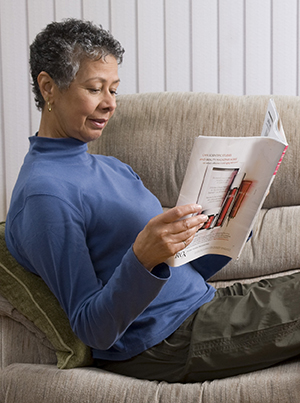
Make time for yourself each day to read a book, listen to music, watch the sunset, or do anything that makes you feel calm and peaceful.
-
Use your favorite kind of exercise as a way to release tension.
-
Practice time management. This means giving yourself enough time to get things done.
-
Keep your sense of humor. If you can laugh at yourself and the things that happen each day, you’ll stay happier and healthier.
-
Try deep breathing or meditation. Many libraries and bookstores have audio files or CDs that may help you relax.
-
Imagine stress away. When you’re feeling stress, stop what you’re doing. Imagine a peaceful scene. Think about a warm beach or rolling green hills, for example.
-
Identify what sets off stress for you. Plan ahead to prevent or prepare for those triggers.
-
Limit situations with relatives or friends that can turn into arguments and stressful encounters.
-
Practice letting go of small issues that cause you stress.
-
Find ways to remind yourself to use your stress-coping resources when you feel your stress levels rising.
-
If you need more help and ideas, join a support group. Sharing problems with others can help you handle stress.
Online Medical Reviewer: Callie Tayrien RN MSN
Online Medical Reviewer: Stacey Wojcik MBA BSN RN
Online Medical Reviewer: Steven Kang MD
Date Last Reviewed: 02/01/2025
© 2000-2026 The StayWell Company, LLC. All rights reserved. This information is not intended as a substitute for professional medical care. Always follow your healthcare professional's instructions.