Uveitis is inflammation of the part of the eye called the uvea. The uvea sits just inside the white outer layer of the eye (the sclera). Uveitis can cause pain and sensitivity to light. Often the eye gets red. Vision may get blurry. You may see spots floating, sometimes called floaters, in your eye.
Uveitis can affect people of all ages. And it can affect one or both eyes. You must be treated right away to control the inflammation and to keep your eyesight. Your eye care provider will prescribe medicine to ease pain and other symptoms. If an underlying health condition has caused your uveitis, you may also need to be treated for that.
Relieving the symptoms
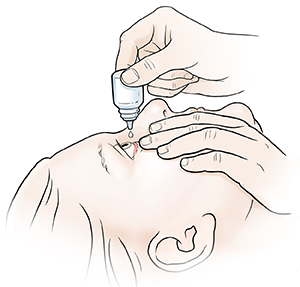
The main goal of treatment is to get rid of the inflammation and pain while keeping your eyesight. With treatment, symptoms often go away in a few days. To help ease your symptoms, your eye care provider may prescribe:
-
Cycloplegic eye drops. These eye drops are used to enlarge (dilate) your pupil. This helps ease the pain. But this will also make your eyes sensitive to light, so wear sunglasses while taking the dilating drops. When buying sunglasses, look for those that block 100% of UV rays. It’s the UV percentage, not the price tag or designer name, that determines how much protection the sunglasses provide.
-
Topical corticosteroid eye drops. These medicines are most often used for patients who have uveitis in both eyes. In these cases, topical treatment hasn't worked and it is hard to carry out normal daily activities. These medicines must be used only as directed by your provider. To ensure safe, effective treatment, all follow-up appointments must be kept.
-
Other eye drops, ointment, or medicines by mouth (oral). These can help reduce swelling and inflammation. Use them as directed. Ask about any side effects.
-
Injections. Medicine is injected around or into your eye. This option is used only for specific types of uveitis.
Treating the underlying cause
If the cause is known, your treatment will depend on the underlying condition. But often, the cause of uveitis is not known. In this case, your eye care provider may treat you with anti-inflammatory eye drops, oral medicine, or shots. Uveitis is often linked with inflammatory problems in other parts of the body. These include some kinds of arthritis and inflammatory bowel disease. If needed, you may be referred to another health care provider. They can check you for any health problems linked to the uveitis. This specialist provider may also oversee your treatment with powerful oral medicines.
Online Medical Reviewer: Marianne Fraser MSN RN
Online Medical Reviewer: Vinita Wadhawan Researcher
Online Medical Reviewer: Whitney Seltman MD
Date Last Reviewed: 01/01/2025
© 2000-2026 The StayWell Company, LLC. All rights reserved. This information is not intended as a substitute for professional medical care. Always follow your healthcare professional's instructions.