Some procedures for sleep apnea are done in the doctor's office. Others are done in a hospital. And some are done in an outpatient surgery center. If you have it done in a hospital, you may stay 1 to 2 nights. Follow up with your surgeon after your procedure as directed.
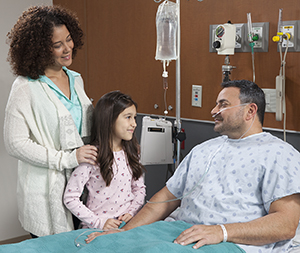
Notes about surgery
Whatever kind of surgery you have for snoring or apnea, keep in mind:
-
There’s no guarantee that surgery will solve the problem. Surgery may sometimes stop snoring or apnea. But not both. You will need a follow-up sleep study. This is done to check the effects of your surgery. It's also done to help decide what further treatment you might need.
-
You may have more than one blockage. If so, you may need more than one procedure.
-
Surgery may be done with other kinds of treatment.
-
Any surgery has a chance of problems. This includes bleeding and infection.
Recovering from surgery
After surgery, your nose, throat, or jaw may be sore for a few days to several weeks. Full recovery may take weeks or months. You may need to eat only soft foods during this time:
-
Keep track of changes. Keep track of how your sleep and health are different now. What is better? How much better? Is anything worse? If you have a partner, ask them to help you watch for changes. Also consider keeping a dated log. Show this to your doctor on your follow-up visits.
-
Adjust air pressure. You may use continuous positive airway pressure (CPAP). If so, ask your doctor when to start using it again after surgery. Tell your doctor how well your CPAP is working for you. Have them adjust it, if needed.
-
If you smoke, quit. Don't smoke before or after surgery. Smoking reduces blood flow to the skin. It also slows wound healing. Nicotine from any source can slow healing. This includes nicotine from cigarettes, e-cigarettes, patches, and chewing tobacco. Join a stop-smoking program. It can help with your chances of success.
Featured in