Jaundice is a term used to describe the yellowish discoloration that develops in the skin due to a buildup of bilirubin. In the newborn period, it's most often a temporary condition that happens when a newborn’s liver is still immature and not yet able to help the body get rid of bilirubin. Bilirubin is a substance that is found in the red blood cells. It can build up after birth as a result of the normal breakdown of red blood cells. If bilirubin levels get too high, they can be dangerous to your baby's developing brain and nervous system. That is why it's important to check babies who have signs of jaundice to make sure the bilirubin level doesn't become unsafe. An immature liver is normal at this stage of your baby’s growth. It will quickly start to remove bilirubin from the body. Almost half of all newborns show some signs of jaundice, such as yellow skin or eyes.
What to watch for
If a baby has jaundice, the skin or whites of the eyes turn yellow. Press lightly on your baby's forehead with your finger for a few seconds, then release. This makes it easier to see the yellow under your baby's skin color. It usually shows up 3 to 4 days after birth. Premature babies are especially at risk.
What to do
Always contact your baby’s doctor if you see any of the signs of jaundice. In some cases, it may be severe and may threaten a baby’s health. Your doctor may recommend:
-
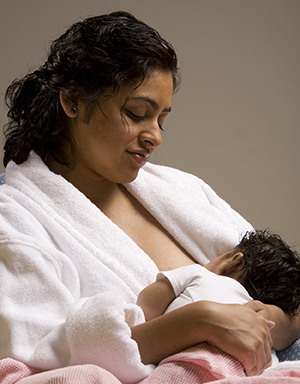
Breastfeeding your baby often. This means at least 8 to 10 times every 24 hours. If you aren't breastfeeding, talk with your baby's doctor about how much formula you should feed your baby.
-
Treating jaundice with special lights (phototherapy) at home or in the hospital. Your baby's doctor can tell you more about phototherapy if it's needed.
When to contact your child's doctor
Call your baby’s doctor if any of these occur:
-
Your baby is feeding less.
-
Your baby seems sleepier and is hard to wake up.
-
Your baby has a temperature of 100.4°F (38°C) or greater, or as instructed by your doctor.
-
Your baby is having fewer wet diapers.
-
Your baby is crying and can't be calmed.
-
Your baby has yellowish skin or yellow in the whites of their eyes.
-
Your baby has already seen their doctor for jaundice. But now the yellow color has moved to your baby's belly, arms, or legs. Jaundice usually moves from head to toe as the level rises.
Featured in