You’ve just had a baby. You expected to be excited and happy. Instead you find yourself crying for no reason. You may have trouble coping with your daily tasks. You feel sad, tired, and hopeless most of the time. You may even feel ashamed or guilty. But what you’re going through is not your fault and you can feel better. Talk with your healthcare provider. They can help.
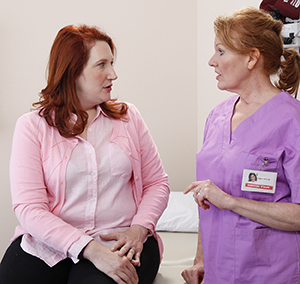
What is depression?
Depression is a mood disorder that affects the way you think and feel. The most common symptom is a feeling of deep sadness. You may also feel as if you just can’t cope with life. Other symptoms include:
-
Gaining or losing a lot of weight
-
Sleeping too much or too little
-
Feeling tired all the time
-
Feeling restless
-
Crying a lot
-
Having too little or too much appetite
-
Withdrawing from friends and family
-
Having headaches, aches and pains, or stomach problems that won't go away
-
Feeling anger or rage
-
Fears of harming your baby
-
Lack of interest in your baby
-
Feeling worthless or guilty
-
No longer finding pleasure in things you used to
-
Having trouble thinking clearly or making decisions
-
Thinking about death or suicide
Depression after childbirth
You may be weepy and tired right after giving birth. These feelings are normal. They’re sometimes called the baby blues. These blues go away after 1 to 2 weeks. But postpartum (meaning after birth) depression lasts much longer and is more severe than the baby blues. It can make you feel sad and hopeless. You may also fear that your baby will be harmed and worry about being a bad mother.
Your partner can also have postpartum depression. It can show up over the year after your child's birth. Symptoms are similar to those of the birth parent.
What causes postpartum depression?
The exact cause of postpartum depression is unknown. Changes in brain chemistry or structure are believed to play a big role in depression. It may be due to changes in your hormones during and after childbirth. You may also be tired from caring for your baby and adjusting to being a mother. All these factors may make you feel depressed. In some cases, your genes may also play a role.
Depression can be treated
There are many ways to treat postpartum depression. Talking to your healthcare provider is the first step toward feeling better.
When to call your healthcare provider
Call your healthcare provider if you:
-
Cry for no clear reason
-
Have trouble sleeping, eating, and making choices
-
Question if you can handle caring for a baby
-
Have intense feelings of sadness, anxiety, or despair that prevent you from being able to do your daily tasks
To learn more
-
National Institute of Mental Health at www.nimh.nih.gov or 866-615-6464
-
National Alliance on Mental Illness at www.nami.org or 800-950-6264
-
Mental Health America at www.nmha.org or 800-969-6642
-
National Suicide Prevention Lifeline at www.suicidepreventionlifeline.org or 800-273-8255