Before getting pregnant, you may have added some good health habits to get ready for your baby. But if you didn’t, start today. One of the first steps is learning how to take care of yourself. See your healthcare provider as soon as you think you may be pregnant. Then continue prenatal care during your pregnancy.
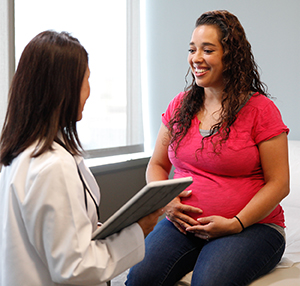
Prenatal care helps you have a healthy baby
During prenatal care:
-
Your healthcare provider checks the health of your pregnancy. They'll calculate a due date. This gives an estimate of your baby's delivery. Many people give birth between 38 and 41 weeks of pregnancy. Your due date is found by counting 40 weeks from the first day of your last menstrual period.
-
Your pregnancy's progress is checked. This includes your baby’s growth, fetal heart rate, changes in your weight and blood pressure, and your overall health and comfort.
-
Your provider may find new concerns and manage current ones before problems happen.
-
Your provider will check lab work through blood and urine.
-
Your provider will talk about normal changes that happen during pregnancy. They'll also talk about changes that may not be normal. And they'll advise you about lifestyle changes.
-
Your provider will answer your questions. They'll also help you get ready for labor and delivery.
You're part of a team
When you’re pregnant, you’re part of a team. This team includes you, your baby, and your provider. It also may include a partner or a main support person. That could be a loved one, such as a spouse, a family member, or a friend. As you work to give your baby a healthy start, rely on your team members for support.
It’s not too late to start good habits
What matters most is protecting your baby from this moment on. If you smoke, drink alcohol, or use illegal drugs, now's the time to stop. If you need help, talk with your healthcare provider.
-
Smoking increases the risk of losing your baby. Or of having a low-birth-weight baby. If you smoke, quit now.
-
Alcohol and drugs have been linked with many problems. These include miscarriage, birth defects, intellectual disability, and low birth weight. Stay away from alcohol and drugs.
-
Eat a healthy diet. This helps keep you and your baby strong and healthy. Follow your provider's instructions for nutrition. Also stay within the guidelines you're given for healthy weight gain.
-
Take 400 micrograms to 800 micrograms (400 mcg to 800 mcg or 0.4 mg to 0.8 mg) of folic acid every day. Take it for at least 1 month before getting pregnant. And keep taking it for the first trimester of your pregnancy. This is to lower your risk of some brain and spinal birth defects. You can get folic acid from some foods. But it's hard to get all the folic acid you'll need from foods alone. Talk with your provider about taking a folic acid supplement.
-
Regular exercise will help you stay fit and feel good during pregnancy. It can also help prevent or reduce back pain. Talk with your provider about how to exercise safely during pregnancy.
-
If you have a health condition, make sure it's under control. Some conditions include asthma, diabetes, depression, high blood pressure, obesity, thyroid disease, or epilepsy. Be sure your vaccines are up-to-date.
How daily issues affect your health
Many things in your daily life impact your health. This can include transportation, money problems, housing, access to food, and childcare. If you can’t get to medical appointments, you may not receive the care you need. When money is tight, it may be difficult to pay for medicines. And living far from a grocery store can make it hard to buy healthy food.
If you have concerns in any of these or other areas, talk with your healthcare team. They may know of local resources to assist you. Or they may have a staff person who can help.