After your surgery, follow your healthcare provider's instructions exactly. Take your medicines or hormone pills each day. And see your provider for regular checkups. The goal is to get your thyroid problems under control. Then you can go back to doing the things you like to do.
While you’re healing
-
Don’t let your cut (incision) area get wet for a few days after your surgery.
-
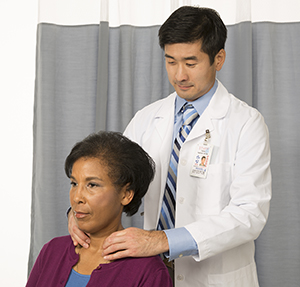
Schedule a follow-up visit with the surgeon or your primary care provider. Your cut will be checked. If you still have staples or stitches (sutures), they may be removed. Your cut will be red and raised at first. It will likely flatten out and fade in about
6 months. -
You'll need You may need to take thyroid hormone pills. These pills replace the hormone that your thyroid used to make. Your healthcare provider will change the dosage of this hormone until it’s right for you. Take your thyroid pills on an empty stomach. Try to take them at the same time each day.
-
Your parathyroid glands may not work normally. If so, you may need to take calcium and vitamin D supplements in the first weeks after surgery.
-
Don’t do strenuous physical activity for a few weeks. This includes swimming or lifting heavy objects.
-
Don’t go back to work until your provider says it’s OK.
Managing your health
-
If you’ve been given thyroid hormone pills or other medicine, take these as directed. This will help keep your hormones at the right levels. Always take thyroid hormone pills on an empty stomach. And take them at the same time each day. Vitamin D is better absorbed if taken with food. Calcium will interfere with thyroid hormone absorption. So take these at different times of the day.
-
See your healthcare provider for regular blood tests. These are to check that your hormone medicine is at the right dose for you.
-
If you have a nodule, you may need follow-up tests. These are to check for changes in its size. Or to check for other nodules.
-
If you’ve had cancer treatment, you'll need regular follow-up exams. These are to check for signs of the cancer returning.
When to call your healthcare provider
Call your healthcare provider right away if you have any of these:
-
Swelling or bleeding at the cut site
-
Fever of
100.4 °F (38 °C) or higher, or as advised by your provider -
A strained, raspy voice (hoarseness)
-
A sore throat that is severe or lasts more than 1 week
-
Tingling or cramps in your hands, feet, or lips
Featured in