You may have a problem you can’t handle on your own, such as trouble with your marriage, a child, or drugs. Or you may be feeling anxious or depressed. In most cases, psychotherapy can help you cope with these and other issues. Many caring professionals provide psychotherapy. Among them are psychiatrists, psychologists, licensed clinical social workers (LCSWs), and family counselors.
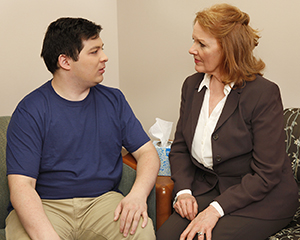
What is psychotherapy?
Psychotherapy is a journey into yourself. Working with your therapist, you’ll begin to see yourself more clearly. This may help you start making changes in your life. In time, you may be able to work through your problems and manage painful symptoms. Your therapist doesn’t do the work for you. Instead, you and your therapist are equal partners in the process.
Working with your therapist
You’ll have regular sessions with your therapist. To get the most from these sessions, you need to be open and honest. You also must be willing to face your problems. And you must be willing to change. Sometimes your therapist or another mental health professional will prescribe certain medicines. Only certain types of mental health providers can prescribe medicines. Ask how medicines will be prescribed if your therapist is not able to prescribe them. Medicines may help ease your symptoms as you take part in therapy. If you have side effects, tell your therapist. Don’t stop taking medicines on your own.
How long does therapy take?
How long you spend in therapy depends on the kind of problem you have. For some problems, long-term therapy is needed. Other problems may respond to brief psychotherapy, which is about
Finding a therapist
It’s important to find a therapist you like and trust. Ask your health care provider, local hospital, or mental health center for a referral. If you have insurance or an employee assistance program at work, you can call them for referral. A friend or family member also may know a therapist they trust.
Types of therapy
Your therapist will help you choose the type of therapy that’s right for you. The most common types of psychotherapy are:
-
Psychodynamic therapy. This helps you understand yourself more fully. Most likely, you will look at events and conflicts from your past. And you’ll see what role they play in your current problems. This helps you change deep-seated patterns so that you can more fully take charge of your life.
-
Interpersonal therapy. This helps you heal and improve your relationships with others. It helps you to learn healthy ways to express emotions, to communicate, and to relate to others.
-
Cognitive behavioral therapy. This type of therapy helps you change harmful or painful thought patterns and reactions to more positive ones.
-
Marriage and family therapy. This type of therapy focuses on improving your relationships.
-
Supportive therapy. This helps you build self-esteem, reduce anxiety, strengthen coping skills, and improve social and community functioning.
To learn more
American Psychiatric Association at www.psychiatry.org or 888-35-PSYCH (888-357-7924)
American Psychological Association at www.apa.org or 800-374-2721