Children and young teens are most likely to use inhalants. Inhalant use is most common from seventh through ninth grade. That’s because inhalants are legal and easy to get. In fact, you may have many of them in your home right now. Yet these common items can seriously affect your child’s health. In some cases, they may be fatal. Learn the warning signs of inhalant abuse. You may help save your child’s life.
What are inhalants?
Inhalants are toxic chemicals in the form of a gas. They are everyday products that are legal and harmless when used as they were intended. But when used to get high, these substances become potentially toxic and sometimes deadly.
When breathed in, inhalants make a quick, intense high. Users often feel lightheaded, dizzy, or giddy. Some children use gasoline, airplane glue, or lighter fluid. But more than 1,000 types of chemicals may be used as inhalants. Users absorb them by sniffing, huffing, or bagging. Huffing is putting rags soaked in inhalants over the mouth and nose and breathing in. Bagging is pouring or spraying chemicals into a plastic or paper bag and then repeatedly breathing them in.
Signs of inhalant abuse
Suspect inhalant abuse if you notice any of the following:
-
Paint or chemical stains on your child’s face or clothing
-
Strong-smelling rags or bags hidden in your child’s room
-
Sores or spots around your child’s mouth or nose
-
Chemical-smelling breath
-
Slurred speech
-
Empty solvent containers or chemically smelling bags, rags, or gauze in the child's possession or trash
After inhalant abuse
Right after inhalant abuse, your child may show some of these signs:
-
Slurred or distorted speech
-
Poor coordination or control of their body movements
-
Euphoria
-
Dizziness
Common inhalants
The following are inhalants commonly used:
-
Gasoline
-
Shoe polish
-
Spray paints
-
Paint thinners
-
Correction fluids
-
Lighter fluid
-
Marking pens
-
Nail polish remover
-
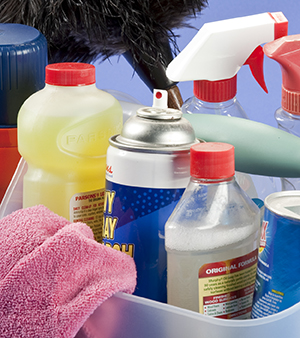
Household cleaners
-
Aerosol sprays, such as hairspray or whipped cream (whippits)
-
Deodorant sprays
-
Fabric protectors
-
Dry cleaning fluid