Measles is a very contagious respiratory infection. It's caused by a virus. It usually spreads when a person comes in contact with droplets from coughs or sneezes of someone with the virus. Direct contact with fluids from the nose or mouth of an infected person can also spread the virus. An infected person is contagious from 5 days before the rash onset and for 4 days after it appears. In a person who is not immune to measles, the symptoms of measles happen about 6 to 21 days (most commonly at around 2 weeks) after coming in contact with a person with the virus.
Who is at risk for measles?
Those most at risk for measles are:
-
Children and adults who never had the measles vaccine.
-
Infants too young to get the vaccine (under 1 year of age).
-
People with weak immune systems, even if they’ve been vaccinated against measles.
-
Adults vaccinated before 1968 who were given an inactivated (killed) measles vaccine or a measles vaccine of an unknown type. This vaccine was used between 1963 and 1967 and was not effective.
What are the symptoms of measles?
Early symptoms of measles include:
-
A runny nose.
-
A cough.
-
Inflamed and red eyes (conjunctivitis).
-
Fever.
-
Rashes:
-
Tiny white spots inside the mouth called Koplik spots.
-
Red blanching spots that typically start on the face and spread downward from there.
-
The red spots of the measles rash appear 2 to 4 days later. The rash often starts on the face and then spreads to the rest of the body.
How is measles diagnosed?
Your health care provider can often diagnose measles based on the signs and symptoms. Lab tests are used to confirm the diagnosis.
How is measles treated?
There is no specific treatment for measles. Treatment is supportive, meaning fluids, rest, and medicines for fever or discomfort. Vitamin A is used to treat measles in children. It lessens the severity of the illness and the chance of serious complications and possibly death. Your child may need:
-
To be isolated, especially from unvaccinated people.
-
Medicine for fever.
-
Antibiotics for bacterial infections if they develop.
-
Hospitalization if complications develop.
What are possible complications of measles?
Most children recover with no lasting effects. But measles can lead to serious complications or even death. Complications of measles can include:
-
A middle ear infection.
-
Infection of the lungs (pneumonia).
-
Infection of the upper airway with trouble breathing and cough (croup).
-
Diarrhea.
-
Infection of the brain (encephalitis).
-
Death.
How can measles be prevented?
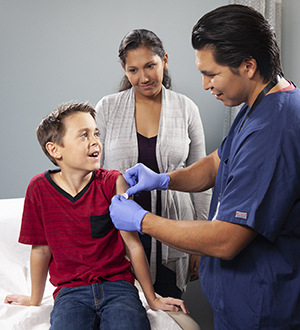
The measles vaccine is part of the routine immunizations advised for children. Children should be vaccinated for measles with two doses:
-
First dose at 12 to 15 months of age.
-
Second dose at 4 to 6 years of age.
For those who have not been vaccinated, vaccination up to 3 days after exposure to measles may prevent or decrease the severity of the disease.
When to call the doctor
Contact your child's health care provider right away if you suspect measles.
Call 911 if your child has:
-
A fever higher than 105°F (40.5°C).
-
Trouble breathing.
-
A severe headache.
-
Confusion or clumsiness.