Cryptosporidium infection is an illness that affects your intestines. It's also called cryptosporidiosis. It's caused by the parasite Cryptosporidium. This parasite is found in the stool of infected people or animals. And the stool can then contaminate food or water. People are often infected by contaminated water.
Common symptoms of Cryptosporidium infection
The main symptom is watery diarrhea. This starts about 2 to 10 days after you're exposed. You may also have stomach cramps or nausea. You might vomit. You might have a fever.
Diagnosing Cryptosporidium infection
A sample of your stool is checked for the parasite. More than one sample may be needed.
Treating Cryptosporidium infection
Most people get better in 1 to 2 weeks. But symptoms last longer in some people. Treatment is rarely needed. But the disease can be more serious in people with a weakened immune system. They may need to take antibiotics. While you recover, drink plenty of fluids. This helps prevent dehydration. Don't take medicine for diarrhea unless your health care provider tells you to. This medicine can prevent your body from getting rid of the parasite. It can also make the illness last for more days.
When to contact your doctor
Contact your health care provider if you have:
-
Bloody stool.
-
Severe vomiting.
-
Severe belly pain.
-
Signs of dehydration, including:
-
Dry, sticky mouth.
-
Very little urine.
-
Very dark urine.
-
Preventing Cryptosporidium infection
Follow these steps to reduce your chance of getting or passing on this infection:
-
Don’t swallow or drink water straight from pools, lakes, streams, or rivers. When traveling outside the country or camping, don't drink, wash foods, or cook with water unless you know it’s safe. Boil any water you use for at least 60 seconds first. Or use a camping water filter or purifier or chlorine dioxide drops or pills. Follow the directions on how to use them.
-
If you drink well water, have it tested once a year for germs. Be sure the test looks for this parasite.
-
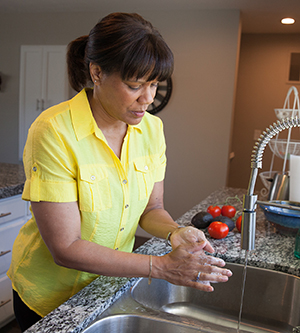
Wash your hands for at least 20 seconds with soap and clean, running water. Do this often. Make sure to wash before making meals. Wash after going to the bathroom and changing diapers. Also wash after working in the garden, caring for someone who has diarrhea, or handling pets. Teach your child to do the same.
-
Use a food thermometer. Cook poultry to at least 165°F (74°C). Cook pork and ground meats to at least 160°F (71°C). Cook beef or lamb to at least 145°F (63°C).
-
Wash fruits and vegetables well before you eat them.
-
If you get infected, talk with your health care provider about safety steps to take.
Online Medical Reviewer: Jessica Gotwals RN BSN MPH
Online Medical Reviewer: Mahammad Juber MD
Online Medical Reviewer: Raymond Turley Jr PA-C
Date Last Reviewed: 03/01/2025
© 2000-2026 The StayWell Company, LLC. All rights reserved. This information is not intended as a substitute for professional medical care. Always follow your healthcare professional's instructions.