Hepatitis B virus (HBV) and hepatitis C virus (HCV) are serious threats to healthcare workers. These viruses spread through contact with infected blood and OPIM (other potentially infectious materials), such as body fluids and tissues. Since you can’t tell by looking if someone is infected, you always need to use standard precautions. This means treating all blood and OPIM as if they were infected.
Why you are at risk
Splashes, sprays, and needlesticks are common ways that infections can spread. If there’s any risk of your coming into contact with blood or body fluids during your workday, know that:
-
You can become infected if blood or body fluids containing HBV or HCV get into your mouth, eyes, or nose. Or if these fluids get into a cut, scrape, burn, rash, or hangnail on your skin.
-
Some of the tasks that could put you at risk include giving injections, handling lab samples, and cleaning work areas or patient rooms.
Steps to protect yourself
-
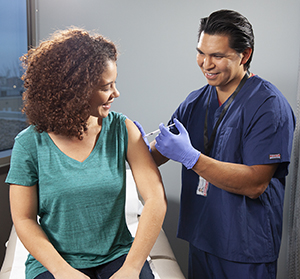
Get the HBV vaccine at your worksite.
-
Always wear the personal protective equipment that’s appropriate for the task.
-
Wash your hands before and after any contact with patients or possibly contaminated items.
-
Correctly dispose of all sharps and other waste.
-
Practice correct sterilization of medical equipment intended for multiple use
Choose to be vaccinated
The hepatitis B vaccine protects you against HBV. (The vaccine does not protect you from HCV. There is no vaccine for hepatitis C.) There are 3 vaccines available for hepatitis B, given as shots. Depending on the type of vaccine, 2 to 3 doses are given. You must get all shots to best make sure of protection.
If you're exposed to HBV or HCV
-
Immediately wash any part of your body that comes into direct contact with blood or other body fluids.
-
Report any exposure to your supervisor right away. You’ll be advised about correct follow-up. Even if you’ve received the HBV vaccine, you may need a booster shot and other medical care.