Nitroglycerin eases chest pain (angina) by getting more blood and oxygen to your heart. It also works by reducing the heart's need for oxygen by dilating the arteries. Long-acting nitroglycerin helps prevent angina from starting.
To prevent angina
If you use a patch:
-
Remove the old patch. Then apply a new one to a clean, dry place on the chest or upper arm.
-
Pick a new place each time you change the patch.
-
Don't put the patch where skin is hairy, cut, irritated, scarred, or tattooed.
If you use a tablet or capsule:
-
Take the tablet or capsule 1 hour before or 2 hours after eating.
-
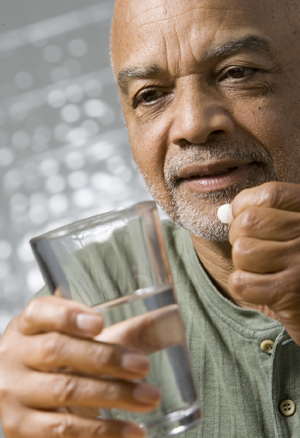
Swallow it with a glass of water. Don't break, chew, or crush the tablet or capsule.
If you use an ointment:
-
Measure the prescribed amount of ointment onto the paper that comes with it.
-
Spread a thin, even layer on a clean patch of skin. Don't rub it in. Tape the paper in place with skin tape for as long as instructed, then remove it.
-
Use a new spot each time you apply the paste.
Precautions
-
Don't suddenly stop using nitroglycerin to prevent angina. This could cause an angina attack. Check with your healthcare provider first.
-
Limit the amount of alcohol you drink. Too much alcohol can cause dizziness or fainting.
-
Tell your healthcare provider about any medicines, supplements, or herbs you use. Nitroglycerin can interact with other medicines and cause serious problems.
-
Don't take phosphodiesterase inhibitors such as sildenafil (Viagra). These are medicines that help sexual function in men but are very dangerous if taken any time if you are on nitroglycerin.
-
Check the expiration date. Nitroglycerin can lose its effectiveness over time. Nitroglycerin must be protected from both heat and light.
Call your healthcare provider right away if you have:
-
Chest pain that lasts longer, is different or more severe, or occurs more often
-
Irregular heartbeat
-
Shortness of breath
-
Blurred vision
-
Dizziness or you pass out
-
Severe headache


